

Why we do not discount
There is no sale at Filora. There will not be one at the end of the season, on a festival weekend, or when a newsletter needs a reason to be sent. The price on a piece today is the price it will carry tomorrow.
That is a commercial decision, and it deserves an honest explanation.
Who pays for a discount
When a brand takes thirty per cent off, the money has to come from somewhere. Sometimes it comes from margin that was inflated in the first place — which means the "original" price was never real. More often it comes from further down the line: a supplier asked for a lower rate next season, a deadline tightened, a corner quietly cut.
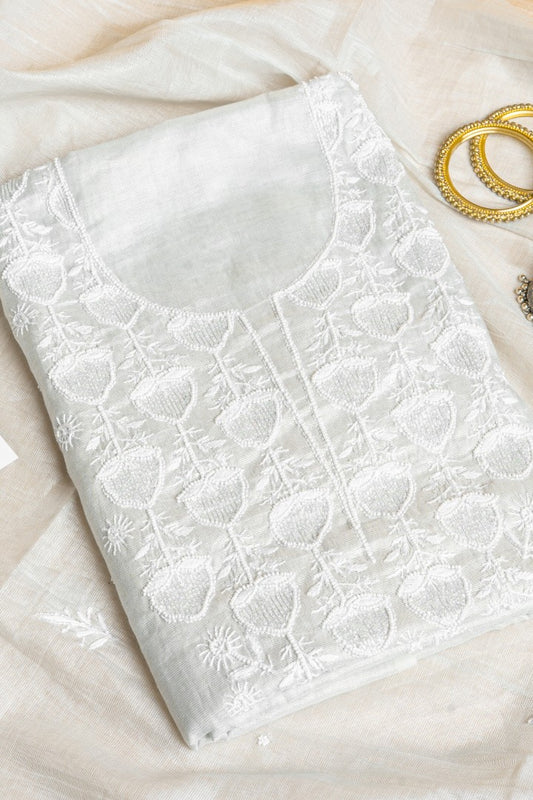
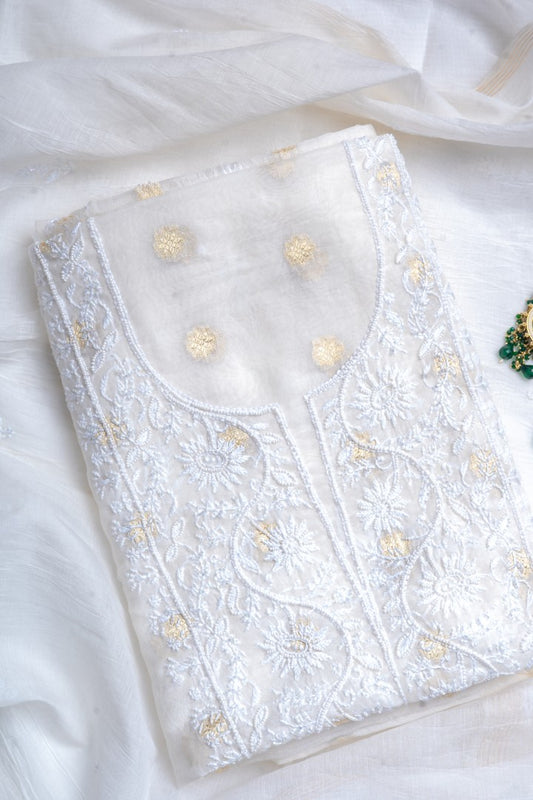
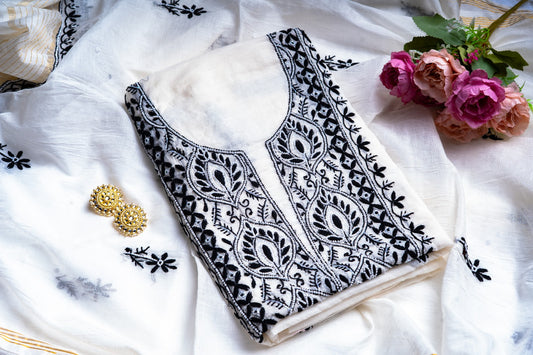
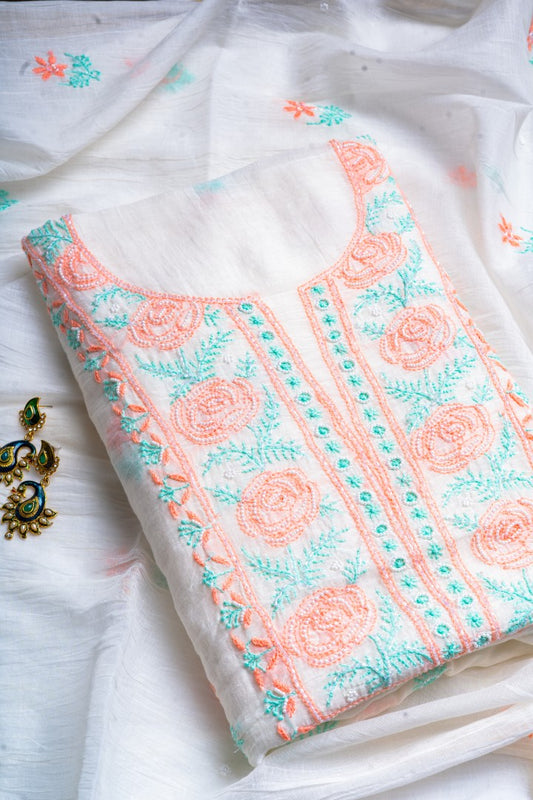
In hand embroidery, the furthest point down that line is a person at a frame. There is no machine to speed up, and no cheaper material to swap in. The only thing left to squeeze is the time and the pay of the person doing the work.
We are not willing to do that.
How we price instead
A Filora price starts from the piece itself: how many hours of handwork it took, what the cloth costs, and what it takes to pay the people who made it fairly for that time. Then the costs of finishing, packing and getting it to you. That is the number. We do not add an imaginary margin to take away again later.
It means our prices are not low. It also means they are not a negotiation, and you never have to wonder whether someone else paid less for the same piece.
What we ask in return
Patience, mostly. Some pieces are made after you order them, and that takes weeks. We will always tell you how long, on the page, before you buy.
And if you love a piece, we hope you will wear it for years — long enough that the price, divided across every time you put it on, stops mattering at all.